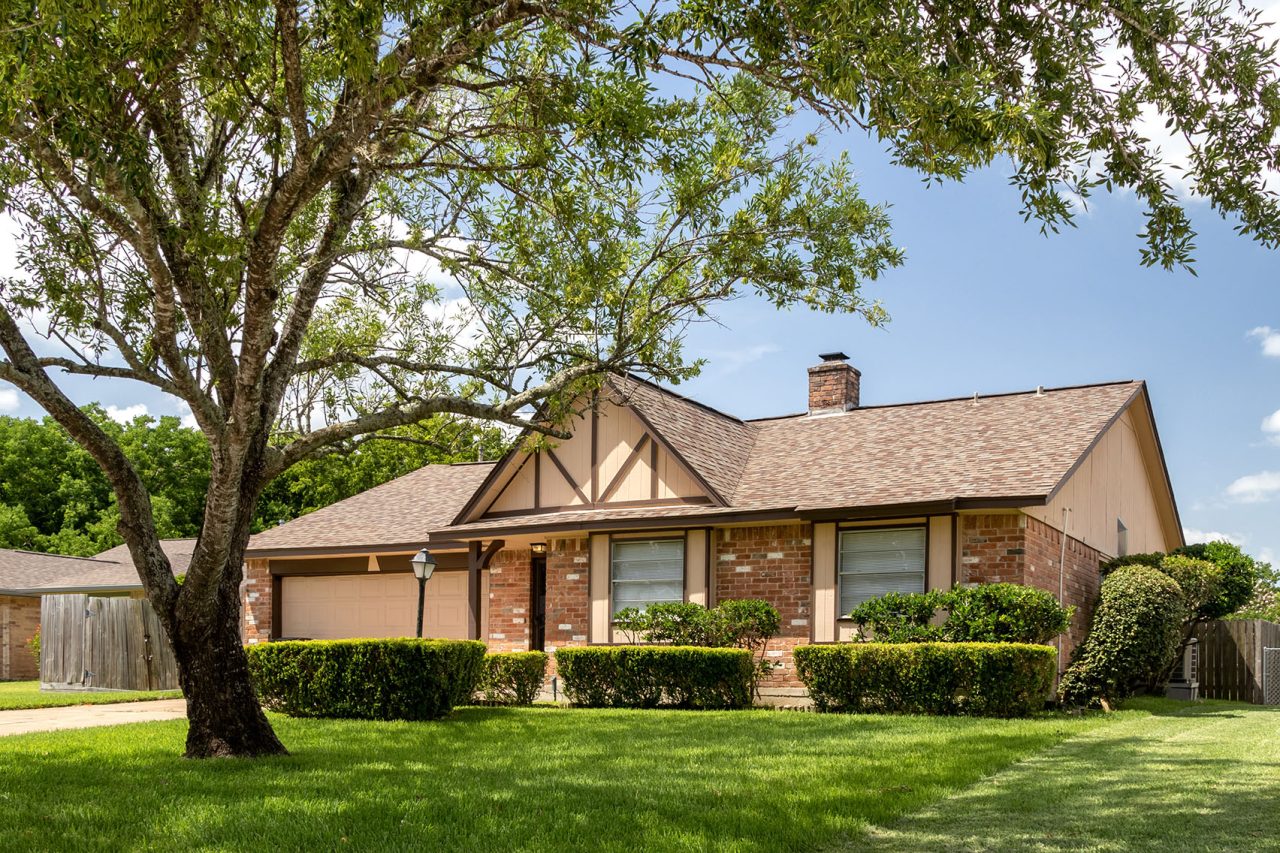
Types of Roofs: A Complete Guide for Texas Homeowners
If you are reading this, you are probably in one of three situations. Your roof is starting to show its age and you know a replacement is coming. A storm just rolled through and you are wondering whether your roof took a hit. Or you are buying or building a home and trying to make a smart decision about which roof to install.
Whatever brought you here, the goal of this guide is simple. We want to give you a clear, honest breakdown of every type of roof we install across Houston and Dallas, so you can make the right call for your home and your budget. No upsells, no scare tactics, no jargon.
Why the roof you choose matters more in Texas
Texas is hard on roofs. Between the heat, the hail, the hurricanes on the Gulf side, and the wild temperature swings in North Texas, your roof takes more abuse here than it would in most other states. That means two things. First, the material you choose makes a real difference in how long your roof lasts and how it holds up to weather. Second, installation quality matters as much as the material itself. A premium roof installed poorly will fail faster than a basic roof installed right.
With that out of the way, here is a breakdown of every major roofing type, ordered from most common to most specialty.
1. Asphalt Shingle
Lifespan: 25 to 50 years. Best for: most homes, best overall value.
Asphalt shingle is far and away the most popular roofing material in Texas, and for good reason. It is affordable, comes in dozens of colors and styles, performs well in our climate, and has a wide range of quality tiers from basic 3-tab shingles to premium architectural and designer shingles that can last half a century.
If you want the best balance of cost, performance, and curb appeal, asphalt shingle is almost always the answer. The trick is choosing the right grade. We typically steer homeowners toward architectural shingles rather than basic 3-tab, because the price difference is small but the durability and look are noticeably better.
Worth knowing: most major shingle manufacturers offer impact-resistant Class 4 shingles, which can earn you a discount on your home insurance in hail-prone areas. In Texas, this is often a no-brainer.
2. Standing Seam Metal
Lifespan: 40 to 70 years. Best for: modern homes, coastal homes, high-end builds.
Standing seam metal is a premium hidden-fastener metal roof system. The seams between panels are raised and locked together, with no exposed screws or nails. It looks clean, sheds water beautifully, reflects solar heat, and lasts two to three times longer than asphalt shingle.
The downsides are cost and aesthetics. Standing seam typically runs two to three times the cost of a basic shingle roof. And while the modern look is gorgeous on contemporary homes, it can feel out of place on a traditional brick ranch. We help homeowners think through whether the long-term value is worth the upfront cost, and we are honest when it is not the right fit.
One major upside in Texas: metal roofs perform extremely well in hurricane-force winds and shed hail better than most materials when properly installed.
3. Clay and Concrete Tile
Lifespan: 50 to 100 years. Best for: Spanish, Mediterranean, and Southwestern style homes.
Tile roofs are heavy, beautiful, and built to outlast most homeowners. They are the natural choice for Spanish revival, Mediterranean, and Southwestern style homes, and they look fantastic on stucco exteriors.
A few important notes. Tile roofs are heavy, and not every home is built to support them without structural reinforcement. They are also more expensive than shingle, both in materials and labor. And individual tiles can crack from foot traffic or large hail, so any maintenance work needs to be done carefully.
When the architecture calls for tile, there is no real substitute. When it does not, we usually recommend other materials.
4. Slate and Cedar Shake
Lifespan: 30 to over 100 years. Best for: historic homes, custom builds, estate homes.
Slate and cedar shake are specialty roofing materials we install on historic homes, high-end renovations, and custom builds where the architecture and budget both support it. Natural slate is essentially permanent. Cedar shake develops a beautiful weathered patina over time but requires more maintenance than most modern materials.
Both materials require experienced installers. Slate is heavy and brittle, and cedar shake requires specific underlayment and ventilation to perform properly in Texas humidity. If you have a historic home that calls for one of these materials, we are happy to walk you through the trade-offs.
5. TPO Membrane (Commercial Flat Roofing)
Lifespan: 20 to 30 years. Best for: warehouses, retail, restaurants, office buildings.
TPO is the dominant commercial flat roofing material in Texas. It is a single-ply membrane with heat-welded seams, an energy-efficient white surface that reflects solar heat, and a strong track record on commercial buildings of every size.
For property managers and business owners, TPO offers the best combination of cost, energy efficiency, and longevity for most flat roof applications. Installation quality is critical because the heat-welded seams are what give TPO its waterproof performance.
6. EPDM Rubber (Commercial Flat Roofing)
Lifespan: 25 to 30 years. Best for: commercial buildings, industrial properties.
EPDM is the original single-ply rubber roofing membrane. It has been used on commercial buildings since the 1960s and has decades of proven performance. It is typically black rather than white, which means it absorbs more heat than TPO, but it is also incredibly durable and forgiving.
EPDM is often the right call for commercial buildings where simplicity, durability, and lower upfront cost matter more than energy efficiency.
7. Modified Bitumen
Lifespan: 15 to 25 years. Best for: garages, room additions, small commercial buildings.
Modified bitumen is an asphalt-based rolled roofing material used on low-slope residential additions, detached garages, and smaller commercial structures. It is affordable, straightforward to install, and reliable for the right applications.
It is not the right choice for large commercial flat roofs in most cases, but for a low-slope garage roof or a small addition, it often makes the most sense.
8. Corrugated Metal
Lifespan: 30 to 50 years. Best for: outbuildings, rural properties, budget-conscious homeowners.
Corrugated metal is the workhorse of metal roofing. It uses exposed fasteners rather than the hidden seams of standing seam, which makes it significantly more affordable. It is the standard choice for barns, shops, agricultural buildings, and homeowners who want the durability of metal at a more accessible price point.
The trade-off is aesthetics and long-term maintenance. The exposed screws and fasteners are visible, and the rubber gaskets around each fastener will eventually need replacement. For the right application, corrugated metal is an excellent value.
How to actually choose the right roof
With eight different materials on the table, the question becomes how to actually pick one. A few questions worth thinking through:
- What is your budget, not just for the roof itself but as a percentage of your home value?
- How long do you plan to be in the home? A 50-year metal roof might not make sense if you are selling in three years.
- What is your home style? Some materials look right on certain architecture and wrong on others.
- Are you in a high-hail area, a hurricane zone, or a fire-prone area? That should influence material choice.
- Do you care about energy efficiency? Reflective materials can lower your cooling costs in Texas heat.
The honest truth is that for the majority of Texas homeowners, a quality architectural asphalt shingle roof is the right answer. It hits the best balance of cost, performance, and longevity for most homes. Standing seam metal, tile, and the specialty materials make sense in specific situations but are not the right call for everyone.
What to do next
If you are thinking about a new roof, the smartest thing you can do is start with a thorough inspection of your current one. You may have more life left in it than you think, or you may find issues you did not know about. Either way, you get real information to base your decision on.
Our inspections are completely free, fully photo-documented, and come with zero pressure to buy anything. We will tell you honestly whether you need a full replacement, a targeted repair, or just monitoring. Call us at the number for your area, or schedule online and we will be in touch within 24 hours.